.svg)
Accelerating NGC2: Delivering Mission Command at Operator Pace
.avif)

Table of Contents
Introduction
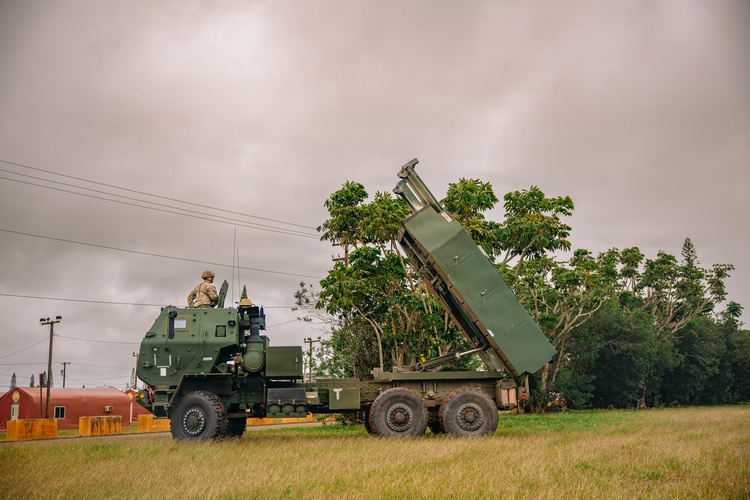
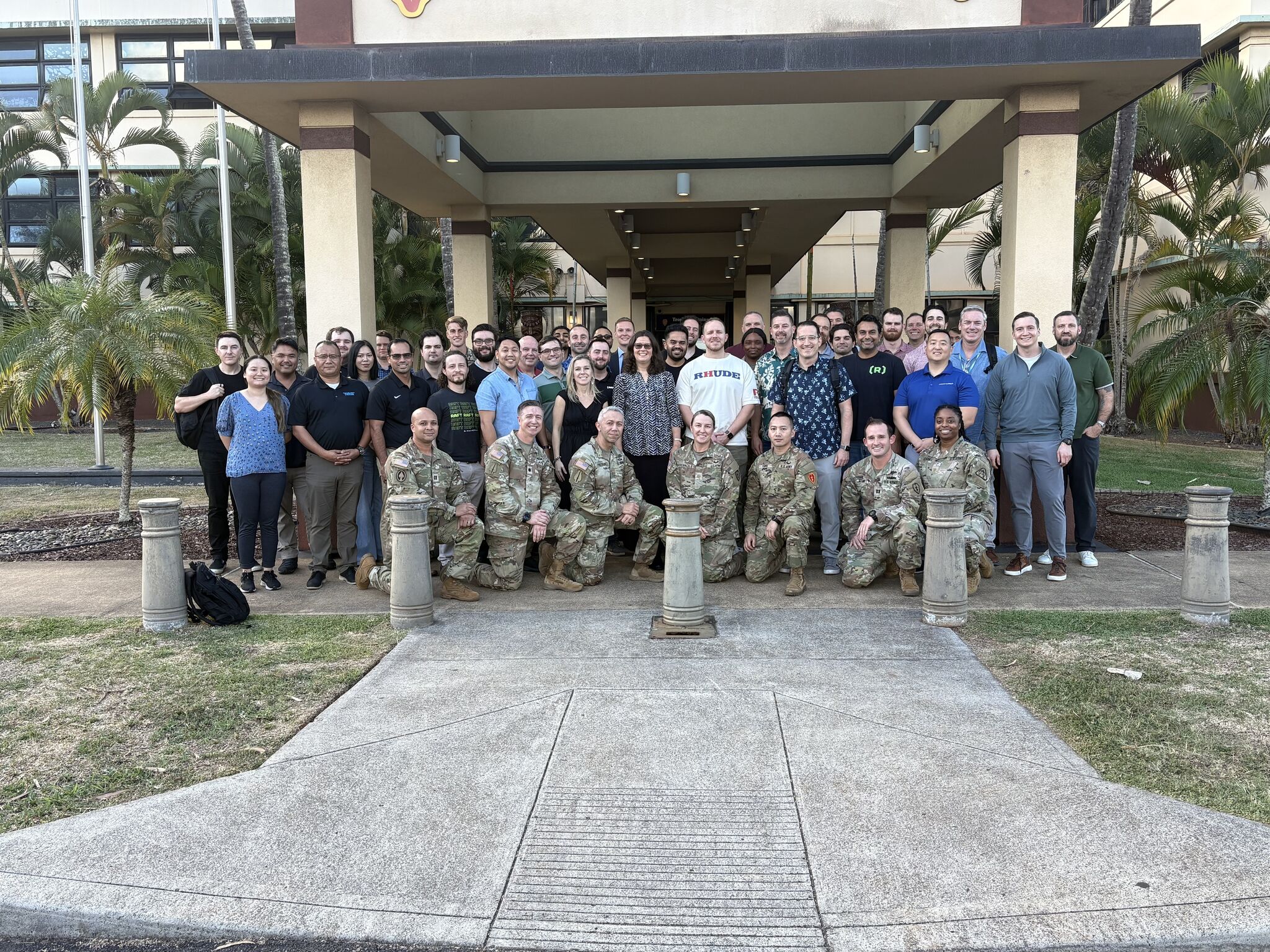
When Lockheed Martin selected Accelint as a core non-traditional partner for the U.S. Army's Next Generation Command and Control (NGC2) prototype in September, the timeline was ambitious: deliver a working prototype to the 25th Infantry Division in Hawaii within weeks, not months. In that timeframe, we installed equipment on-island and soon thereafter demonstrated integrated capabilities at Lightning Surge 1 and Lightning Surge 2, the first two in a series of exercises designed to prototype NGC2 at scale.
The pace reflects the urgency of the mission. NGC2 replaces siloed, function-specific tools with a unified data layer that supports real-time decision-making across echelons, from division to platoon. For Accelint, this confirmed what matters most in delivering transformational C2 capability: operator feedback drives everything, integration happens in weeks not quarters, and priority mission outcomes matter more than waiting until the entire feature list is built.
What We're Building in the Pacific
Our work with the 25th Infantry Division centers around Neo, Accelint's mission command interface, which aggregates data from disparate sensors and systems, pulling real-time battlefield updates and presenting them in a way that reduces cognitive load and surfaces actionable intelligence.
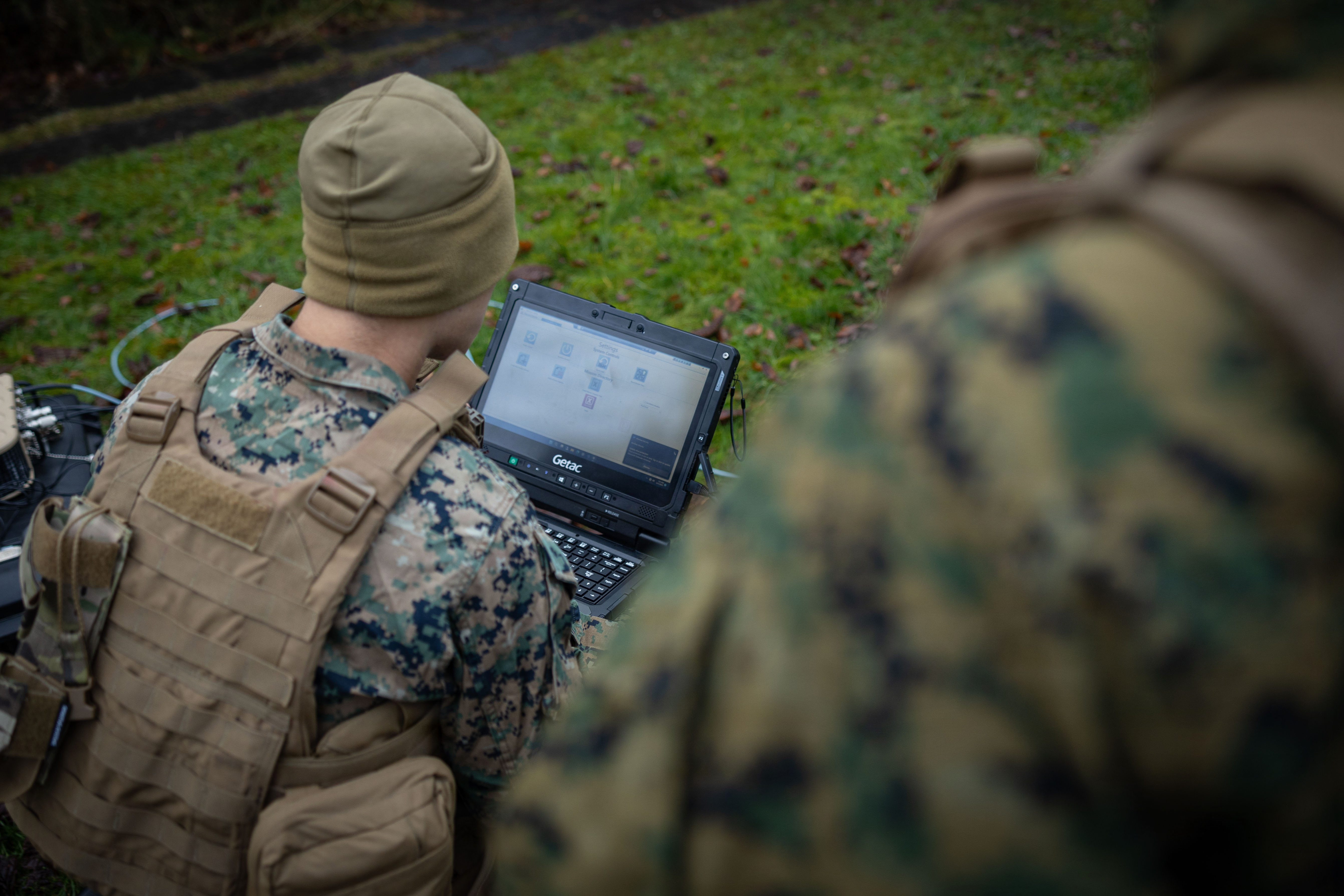
In an accelerated timeframe, we've transitioned from architecture discussions to operational reality. Initial transition meetings with Lockheed Martin and Raft in late October focused on system design and integration planning. By December, we had hardware installed and operational with the 25ID.
This wasn't just software delivery, it was physical integration, proving that the NGC2 data layer could ingest, normalize and display data to support real-time decision making.
Speed Requires Different Behaviors
Traditional defense programs measure progress through milestone reviews and delivery schedules, while NGC2 measures progress through soldier feedback and operational performance. Lightning Surge exercises being spaced only weeks apart compresses the feedback loop and forces constant prioritization around what improves warfighter effectiveness.
Lockheed Martin's role as Team Lead enables our velocity - providing the architecture framework and program coordination that allows multiple partners to deliver capabilities in parallel without friction. Raft's CEO described this as a "true partnership where all members of the team work together with mutual respect and transparency."
What We've Learned About Operator-First Design
Neo was built for operators: first with the Air Force, now expanding to Army mission command. Our team’s interface design, data prioritization, and interaction patterns come from years of working with warfighters to understand how they make decisions under pressure.
That foundation gave us a head start, but the 25ID’s requirements are specific to their mission set and theater. Our job is to support those requirements without compromising the core design principles that make the interface effective.
This initial stretch taught us where our assumptions held and where they needed refinement. Some features we thought would be critical mattered less in practice. Some data integrations required more effort than planned. And some operator feedback validated design decisions we'd made years ago for entirely different missions.
This is why live prototyping matters. We're not building our NGC2 prototype in isolation and then handing it to the Army for evaluation. We're building it with the 25ID, shaped by their feedback at every step. The Army’s NGC2 software ecosystem enables us to push changes to the code minute by minute – continuous delivery to meet evolving operational need.

What Comes Next
With Lightning Surge 2 complete, the program has progressed from seeing the battlefield to striking the target. Each surge event stacks new soldier outcomes onto the existing data foundation. Lightning Surge 3 is scheduled for April.
New data sources, new sensor feeds, new effectors, new mission outcomes - each one requires careful work to ensure the interface remains intuitive and the data remains actionable. The goal isn't to display more information. It's to surface the right information at the right time for the decision the commander needs to make.
Why This Model Matters Beyond NGC2
The Army has adopted an agile methodology to deliver soldier outcomes through iteration. The approach NGC2 represents - modular architecture, competitive ecosystems, continuous iteration, and operator-led validation - has implications well beyond this program.
For Accelint, NGC2 is validation that the mission systems we build for contested environments can scale across services and domains. For the Army, this is the 'how' commanders and soldiers will fuse data across domains to make better decisions, faster—at every echelon.
While the initial surge demonstrated the capability of the framework, the next phase will further showcase transformational C2 at scale.
* Non-Endorsement. Nothing stated in this article should be construed as endorsement of Accelint or its products or services, by the U.S. Army, Department of War, or the U.S. Government.
Start the Conversation
Get in touch to discuss how Accelint’s solutions can support your mission objectives.
Contact