.svg)
Training the Royal Moroccan Armed Forces for Command & Control Operations
.avif)

Table of Contents
Introduction
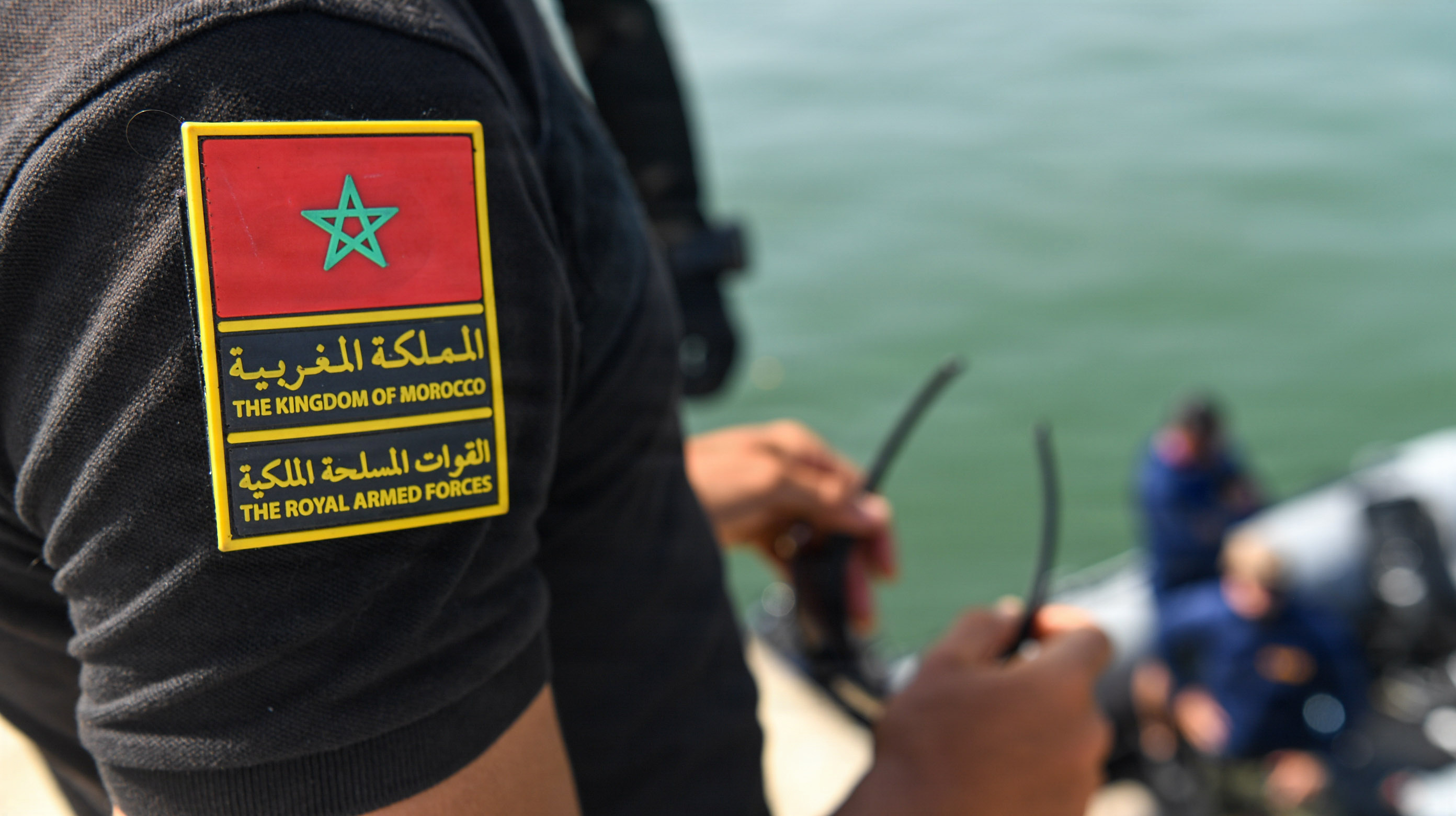
This month, Royal Moroccan Armed Forces operators are in San Diego for two weeks of certification training on Garda C2, Accelint's command and control platform deployed across a distributed network of operational sites within Morocco.
Morocco occupies a strategically significant position - overseeing a major international waterway, managing extensive coastal and territorial boundaries, and operating in a region where security threats range from trafficking and smuggling to broader geopolitical pressures. Maintaining awareness and response capability across that environment is a continuous operational requirement.
That's the context in which the Royal Moroccan Armed Forces operate Guarda C2. At that scale and complexity, command and control is about decision speed, coordination, and accountability under pressure - the ability to detect, classify, and act on activity across a distributed operational picture.
Training as a Strategic Capability
The Royal Moroccan Armed Forces contracts for US-based training because operational readiness demands it - and because training is one of the most effective ways to build real interoperability between partner forces.
Across the defense ecosystem, this is well understood. US foreign military training has scaled into a multi-decade strategic tool, used not just to transfer skills but to align doctrine, decision-making, and operational standards across allied forces. What looks like a two-week technical course is, in practice, part of a much larger system; one designed to ensure that when partners operate together, they operate the same way.
US military leadership consistently describes Morocco as a key regional partner, and exercises like African Lion — the largest US-led exercise in Africa — reflect a long-standing focus on interoperability, readiness, and shared operational capability.
This context matters. It explains why training happens in the US, why it is structured the way it is, and why certification and standardization are emphasized. The objective is not familiarity with a tool. It is alignment with an operational ecosystem.
From System Training to Operational Judgment
Training at Accelint's San Diego facility gives Moroccan operators direct access to the engineers who built the system, in an environment purpose-built for it. They leave with formal certification, hands-on experience across both operational and systems administration tracks, and the institutional knowledge to operate — and train others — when they return home. Over roughly the past 15 years, Accelint has conducted this type of US-based training approximately 40 to 50 times, certifying hundreds of international operators.
Effective C2 training connects software to operational decisions: how to interpret what the system is showing, determine what requires action, coordinate a response across units, and maintain the record of events needed for follow-through. That's where training either succeeds or falls short.
Designing for the Real Operational Problem Set
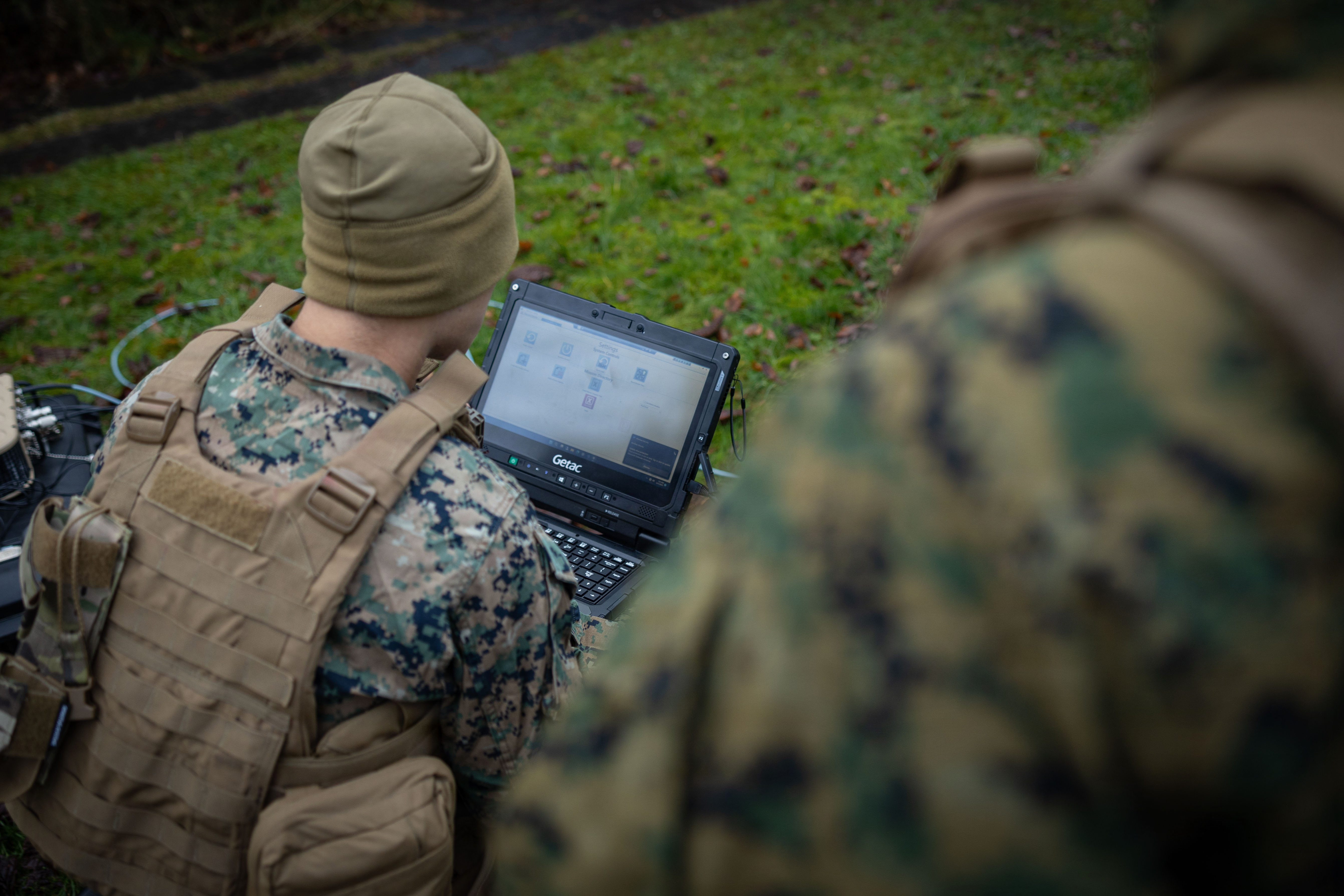
The two-week curriculum has two tracks. The first covers IT administration and Software Factory — how to deploy and manage the system, maintain platform health, and sustain operations across remote sites. The second covers operations — how to use the common operating picture, intelligence, operational planning, meteorological displays, conduct track management across multi-site / multi-sensor, manage alert zones, and document and respond to contacts of interest.
As the first nation to recognize U.S. independence in 1777, Morocco has worked with the U.S. for years to improve its ability to monitor and identify contacts of interest in its waters, where small craft involved in smuggling and trafficking are a persistent challenge. Training scenarios are built around those conditions. Operators work through detection, evidence development, and coordinated response — mirroring the kinds of workflows exercised in multinational operations like Phoenix Express, where forces train to detect, track, and classify maritime traffic while coordinating across partner nations.
A Feedback Loop That Improves the Platform
Training is also a mechanism for continuous refinement of C4ISR capability. Morocco is one of Accelint's most operationally engaged international partners, and their feedback has directly influenced the evolution of the platform. Requirements shaped by real-world use — lighter map layers, integrated logistics data, operational workflow adjustments — have been incorporated into the system over time. Some of those capabilities now extend into other programs, including US Navy C2 environments.
Capabilities improve fastest when operators, engineers, and training environments are tightly connected. Training is where that connection happens.
Certification and Continuity
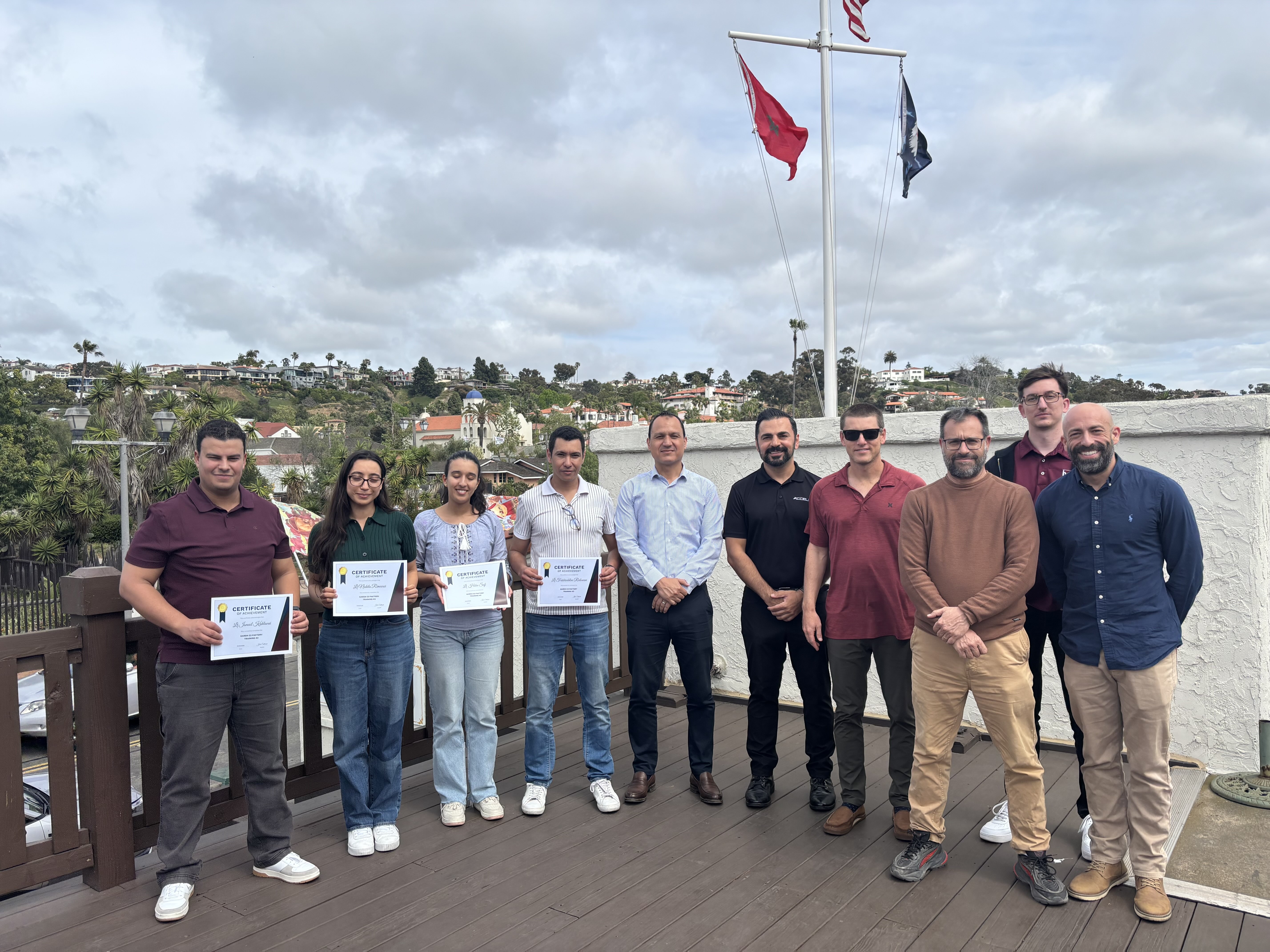
On the final day, operators complete a formal certification exam and receive credentials documenting completion of a US-based Garda C2 operator and systems administration course. One of the consistent challenges in international training programs is not initial capability but sustainment — ensuring knowledge persists across rotations, units, and time. Certification, repeat engagements, and train-the-trainer models help address that gap.
For the Royal Moroccan Armed Forces, this training reflects an ongoing investment in maintaining a technically proficient, operationally aligned force - prepared to operate effectively in one of the world's most demanding maritime environments.
Start the Conversation
Get in touch to discuss how Accelint’s solutions can support your mission objectives.
Contact